




Online home valuation tools can be a quick and easy way to get a ballpark estimate of what a property is worth. However, buyers and sellers alike will run into problems if they rely too heavily on these estimators.
Whether you’re selling your home or looking to buy, you should take the estimates from sites like Zillow and Redfin with a grain of salt. It’s important to understand how these tools work, why they can be inaccurate, and where you can go to get a more precise estimate of a home’s value.
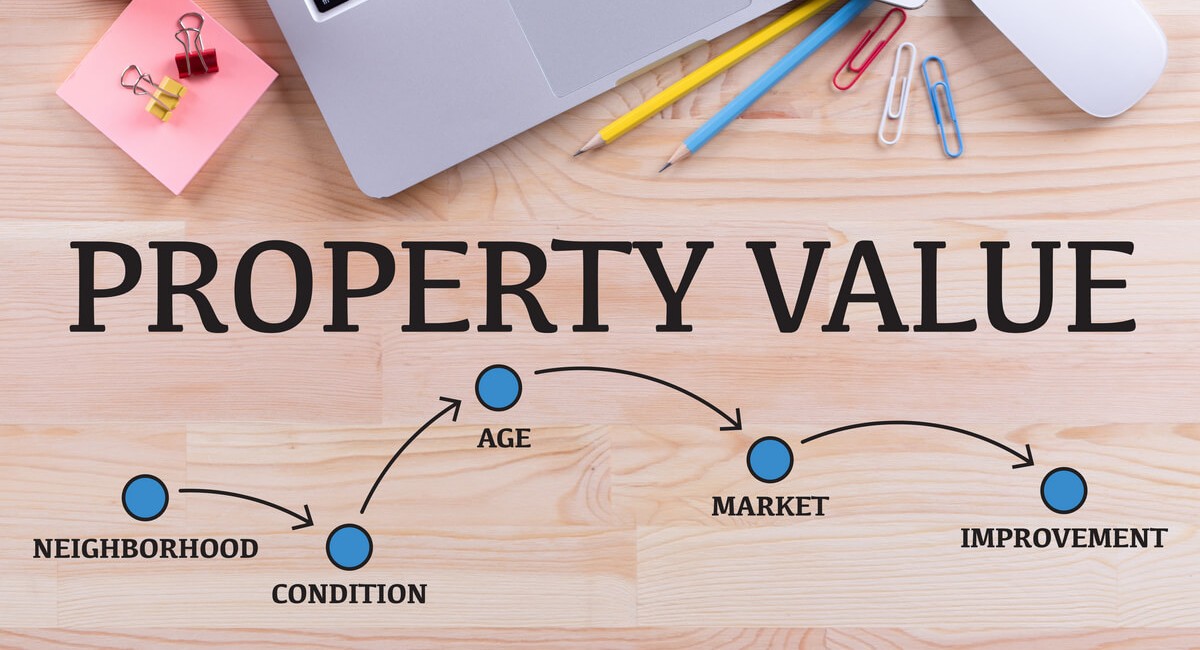
How Online Valuations Work
Online estimators rely on an automated valuation model, or AVM. This is software that uses mathematical models to gather data and estimate the value of properties. The following are just a few examples of information that AMVs can use to make their estimates:
- Tax assessments
- Sale history
- Recent nearby sales
- Square footage
- Number of bedrooms and bathrooms
- Size of lot
- Age of home

The Limitations of Online Estimators
While online estimators can be a helpful resource for buyers and sellers, they also have quite a few limitations. AVMs don’t consider every single factor that could affect the value of a home, so they could miscalculate by 10% or even more.
Here are some key reasons why online home valuations can be inaccurate:
Online estimators don’t have enough data.
AVMs use publicly available data about the house and the surrounding properties. In many cases, there simply isn’t enough data available to make an accurate prediction about one home’s value.
For example, AVMs use recent sales as one factor in their calculations. In a small suburb or rural community, there may only be a handful of home sales in the past year. If one house sold for a low value due to lack of upkeep or other individual circumstances, it could dramatically skew the estimates for the neighboring homes.
Unconventional properties are hard to value.
Online estimators tend to be more accurate in developments where most homes have a similar size, age, and layout. AVMs have a much harder time understanding unconventional or unique properties.
If your house is much older, newer, smaller, or larger than the surrounding homes, data about recent sales in your area isn’t very useful. There are too many other factors that could influence the value of your house. If a home has a unique layout or extra features, the online estimator also may not know how those elements impact its value.

Online estimators could be using incorrect information.
It’s possible that online databases like Zillow have inaccurate information about properties, especially ones that haven’t been listed on the market in a long time. For instance, a homeowner could have built an addition on their house that isn’t reflected in the original square footage the online estimator has on record. In this case, the estimator would probably significantly undervalue the home.
They don’t factor in the condition of the home.
Online estimators use available information like size, layout, and market trends to make their predictions, but they have no way of knowing the overall condition of the home. Good upkeep and upgrades will increase a property’s value while poor maintenance will lower it.
Two identical homes could end up with dramatically different market values based on their upkeep. However, the only way to truly judge the condition of a home is to get an inspection.
Local trends may be overlooked.
AVMs do use overall market trends to estimate home values, but these models may not understand the nuances of the trends in specific neighborhoods. Local trends can change quickly, so sales from just a few months ago may not be helpful in predicting your home’s value today. This is especially true in up-and-coming neighborhoods where prices are quickly rising.
How to Use Online Estimators to Your Advantage
Online estimators shouldn’t be the only tool you use when assessing the value of a property, but that doesn’t mean you have to ignore them entirely. These estimates do serve a purpose, and they can help guide your buying or selling journey if you use them appropriately.
As a buyer, you can use estimates to see a general ballpark of a home’s value. The valuations tend to be more accurate when a house has recently been listed because the AVM has the latest information about the house’s size and features. If you suspect a home is underpriced or overpriced, you could check the online estimate to confirm your suspicions.
If you’re planning to sell your home, you could use the estimate as a starting point for pricing your home. Not only can you check your house’s estimate, but you could also check the values of neighboring homes of a similar size. However, your real estate agent will also work with you to set a price that reflects your home’s current condition.

How to Get a More Accurate Estimate for Your Home
For prospective sellers who want to know what their home is worth in today’s market, there are two tools available that are more accurate than online estimators: comparative market analysis and appraisal.
Comparative Market Analysis
A comparative market analysis, or CMA, is the process that real estate agents use to assess the value of properties that they plan to list on the market. Your agent will research comparable homes in your area that have recently sold and will analyze the similarities and differences between those properties and yours. Agents usually offer CMAs as a free service for home sellers.
Appraisal
An appraisal is a formal valuation of a home done by a licensed appraiser. They will evaluate the interior and exterior condition of the home and compare it to properties that have recently sold. Buyers usually pay for an appraisal after they go under contract on a home. However, anyone can order an appraisal if they’re willing to pay for the service. Costs can vary, but on average, an appraisal for a single-family home costs around $400.

Truths and Myths About Online Estimators
Online estimators like Redfin, Zillow, and Realtor.com offer general information about property values in an area. You can use them to assess average home prices in a neighborhood or to see how the market is trending over time.
If you need a precise valuation for a specific home, though, you shouldn’t rely on these estimators. They could be off by tens of thousands of dollars, leading sellers to incorrectly price their homes and buyers to make bad offers.
When you’re planning to enter the real estate market, you should always lean on the advice of experienced local professionals. Real estate experts have access to specific, current information that will help them make more accurate estimates of a home’s value. Use the online tools to start your real estate journey, but always give more weight to the advice of trusted professionals.